



Friday, June 19, 2026
SAVED POSTS
  • Login
  • Register
RathBiotaClan
No Result
View All Result
  • HOME
  • HEALTH SCIENCE

    TRENDING ON HEALTH (TOP)

    For People Antidepressants Never Helped, a 30-Minute Home Session Is Now FDA-Approved

    Scientists Say Your Next Tube of Toothpaste Could Be Made From Human Hair

    Your Lungs, Liver, and Pancreas Also Age Faster When You Sleep Wrong

    Cycling Linked to Lower Dementia Risk in Study of Nearly 480,000 Adults

    NOW ON AIR (RBC)

    NEUROSCIENCE

    Step-Synchronized Brain Stimulation Reduces Falls in Small Parkinson’s Trial

    June 16, 2026
    NEWS

    A Father’s Touch in Infancy Can Shape a Child’s Health for Years, New Science Explains Why

    June 9, 2026
    MutExpress
    BIOINFORMATICS

    South Asian Patients Have Been Left Out of Cancer Genomics for Decades & MutExpress-India Is Changing That

    June 8, 2026
    Biodiversity Loss
    ECOLOGY

    Biodiversity Loss Could Bankrupt Nations And Wall Street Hasn’t Noticed Yet

    June 5, 2026
  • NEUROSCIENCE
    • PHYSIOLOGY
    • IMMUNOLOGY
    • CANCER
  • DISCOVERIES
    • SPOTLIGHTS
    • STUDENT PORTAL
    • SCIENCE FEATURED
  • MOLECULAR BIOLOGY
    • GENETICS
    • BIOTECHNOLOGY
    • BIOINFORMATICS
    • BIOCHEMISTRY
    • BIOPHYSICS
  • ZOOLOGY & ECOLOGY
    • ENVIRONMENTAL SCIENCE
    • ECOLOGY
    • EVOLUTION
  • MICRO & PLANT SCIENCE
    • MICROBIOLOGY
    • CELL BIOLOGY
    • DEVELOPMENTAL BIOLOGY
  • PSYCHOLOGY
RathBiotaClan
RathBiotaClan
No Result
View All Result
Home HEALTH SCIENCE

Afternoon Sleepiness Health Risks Hint at Sleep Deprivation Heart Attacks

Shibasis Rath by Shibasis Rath
March 22, 2025
in HEALTH SCIENCE, NEWS, SCIENCE FEATURED
Reading Time: 5 mins read
0
A A
0
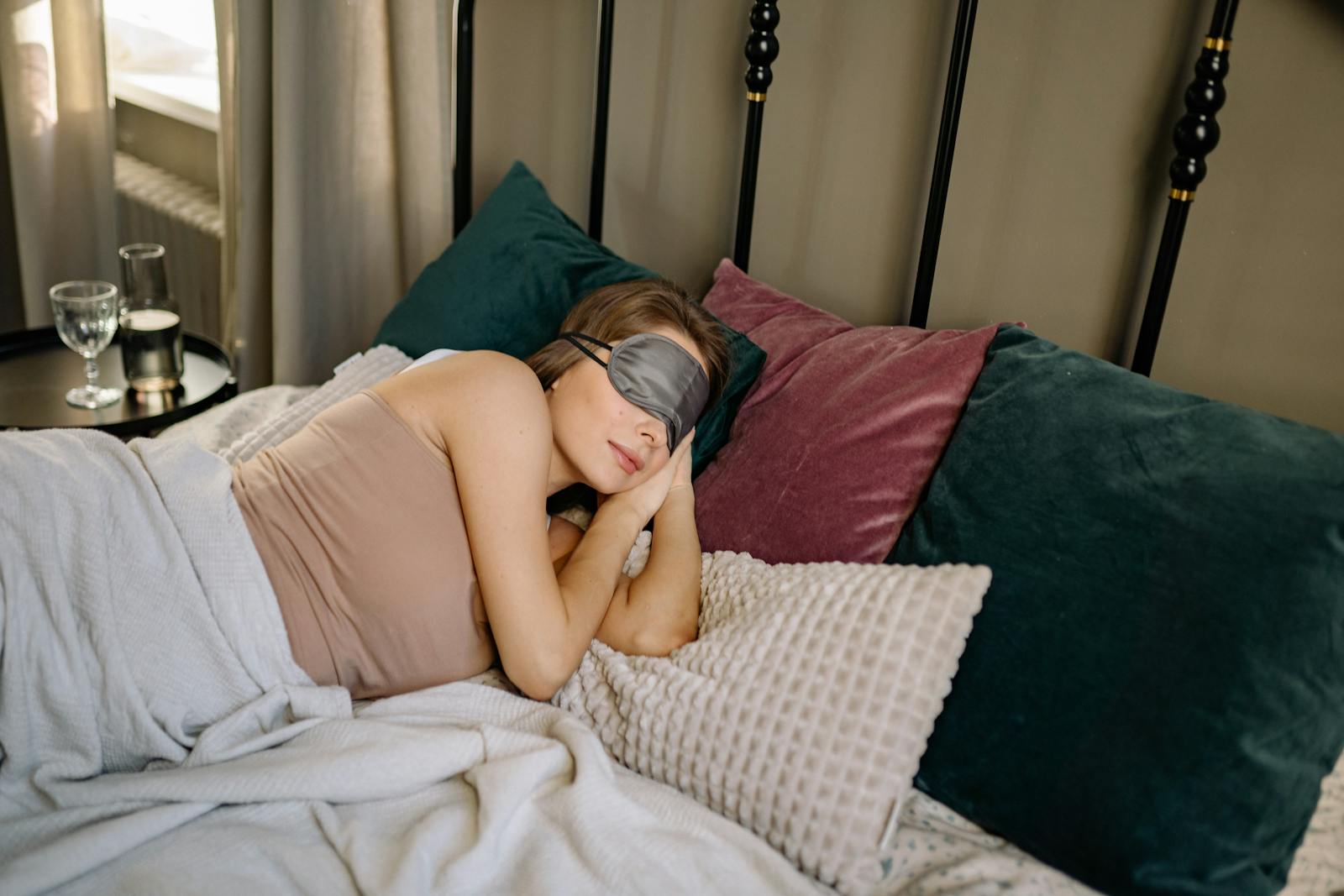
Woman resting peacefully in bed with a sleep mask, surrounded by cozy pillows in an inviting bedroom ambience.

If you feel extremely sleepy between 2:00 and 5:00 in the afternoon, scientists suggest that you might be at a higher risk of early death.

Let me explain why?

This is the story of Ranjan Das, the CEO of one of India’s leading IT companies, SAP. He followed a strict fitness regime regular workouts, jogging, a healthy diet, and even marathon participation. His lifestyle seemed perfectly fit from the inside out. But then, on October 21, 2009, shocking news broke that he suffered a fatal heart attack while returning home from the gym.

Yes, a completely athletic person, who regularly engaged in cardiovascular exercises like jogging and even trained his heart for marathons, died of a heart attack at a young age. The believed reason? He strongly thought that sleeping just four hours a night was enough to stay fit and fresh.

ADVERTISEMENT

But can sleep deprivation really cause heart attacks?

READ ALSO

Step-Synchronized Brain Stimulation Reduces Falls in Small Parkinson’s Trial

A Father’s Touch in Infancy Can Shape a Child’s Health for Years, New Science Explains Why

How did a health-conscious CEO overlook such a crucial factor?

ADVERTISEMENT

You may have heard about Daylight Saving Time. In the USA, clocks are set an hour forward in March to extend daylight hours in summer. This shift happens at 2:00 AM, causing people to lose an hour of sleep. According to reports, heart attacks increase by 25% on that day and remain 25% higher for the next two days. I repeat—just one hour of lost sleep can cause such an impact. Interestingly, the reverse effect is observed in November when clocks are set back an hour—heart attacks decrease by 22%. Fascinating, right?

ADVERTISEMENT

The world’s sleep scientists have a group called the Association of Professional Sleep Societies. Their reports reveal that sleep-deprived individuals feel the most intense drowsiness during two specific time windows between 2:00 to 7:00 AM and 2:00 to 5:00 PM.

Here’s where it gets weird: Most heart attack deaths also occur during these exact timeframes. Initially, scientists thought this was just a coincidence.However, last year, Ahmedabad’s Zydus Hospital conducted a survey of 243 heart patients. They found that around 37% of them suffered from inadequate sleep. Even the European Heart Journal published a study analyzing 470,000 people from eight different countries. It revealed that sleep-deprived individuals had a 48% higher chance of dying from heart disease and a 15% increased risk of death from a heart stroke.
woman in blue shirt lying on bed

The key takeaway?

If you feel excessively sleepy in the afternoon, it’s a natural alarm from your body indicating severe sleep deprivation, and your heart may already be weakening. Every Indian must understand the science behind sleep and how lack of it can create numerous health issues many of which we experience daily without realizing their root cause.

For instance, I used to frequently get painful mouth ulcers that lasted for days, making speaking difficult—especially in my profession. Initially, I assumed it was a vitamin B-complex deficiency and started taking supplements, but the problem persisted. Eventually, I discovered that whenever I lacked proper sleep for two consecutive nights, I would develop ulcers. This made me realize how many health problems could be linked to insufficient sleep—and how the solution is as simple as making sleep a priority.

This is why this article is crucial, especially for those struggling with sleep. Every human spends one-third of their life sleeping, making it essential to have proper knowledge about it. Now, you understand why prioritizing sleep is necessary without it, our health and performance become hollow.

So, let’s work together to scientifically improve our sleep for a lifetime. The first step is understanding sleep stages so we can optimize them.

Look Down 👇

Our Sleep Is Divided Into Four Stages:

Three non-REM stages and One REM stage. Scientists categorize them as:

REM (Rapid Eye Movement) stage, where your eyes move around while you sleep.

Non-REM stages, where your eyes remain still.

Two of these stages are particularly important:

  1. Deep sleep (Non-REM stage 3): This is where your body’s physiological processes, such as heart rate, blood pressure, digestion, immunity, and growth, undergo repair and reset.

  2. REM sleep: This stage is crucial for mental processes like decision-making, emotional regulation, and memory consolidation.

When you fall asleep, you first enter Non-REM stage 1, then move to Non-REM stage 2 after 10-15 minutes. As your sleep deepens, you enter Non-REM stage 3, which is the deepest sleep stage, where your brain releases delta waves and is least active. After this, your brain cycles back to stage 2, then stage 1, and finally into REM sleep, where you experience dreams. The REM stage lasts for about 30-45 minutes, completing one full sleep cycle.

(I have already shared an article on Sleep Pattern :Check Here)

For a good night’s sleep, your body needs to complete four to five full sleep cycles per night. However, if you wake up in between—say, a phone call disturbs you during Non-REM stage 2 – your sleep cycle gets canceled and has to restart from stage 1, effectively wasting your sleep. This directly affects sleep quality.

If your sleep cycles are repeatedly disrupted, it doesn’t matter how many hours you sleep—your sleep remains incomplete, making you feel exhausted, as if you were intoxicated.

A 2011 Cancer Journal study found that consistently sleeping less than six hours increases the risk of colorectal cancer by 50%—the same risk level as having a first-degree relative (parent or sibling) with cancer. The primary reason behind this? Chronic inflammation, which is a major cause of cancer. Sleep deprivation triggers widespread inflammation in the body, often showing up as simple symptoms like mouth ulcers. Now, imagine the damage it does to internal organs (Journal Link: https://doi.org/10.1002/cncr.25507).

That’s why many people experience acne breakouts, headaches, and more due to lack of sleep. And for men, here’s some bad news—research shows that if a young, healthy adult sleeps less than five hours per night for just a week, their testosterone levels drop by 10-15%, whereas natural aging only causes a 1% decrease per year.

“Sleep isn’t just rest;

it’s the silent architect of your survival,

Ignore it,

and your body drafts its own exit plan.”

So, what do you think now?

If you liked this article, don’t forget to share with others

  • Share on WhatsApp (Opens in new window) WhatsApp
  • Share on Facebook (Opens in new window) Facebook
  • Share on Reddit (Opens in new window) Reddit
  • Share on X (Opens in new window) X
  • Print (Opens in new window) Print
Shibasis Rath

Shibasis Rath

"𝓒𝓸𝓷𝓷𝓮𝓬𝓽𝓲𝓷𝓰 𝓡𝓮𝓼𝓮𝓪𝓻𝓬𝓱 𝓣𝓸 𝓡𝓮𝓪𝓵𝓲𝓽𝔂" 𝓲𝓼𝓷'𝓽 𝓙𝓾𝓼𝓽 𝓪 𝓜𝓸𝓽𝓽𝓸 - 𝓘𝓽'𝓼 𝓜𝔂 𝓜𝓲𝓼𝓼𝓲𝓸𝓷

Related Posts

Step-Synchronized Brain Stimulation Reduces Falls in Small Parkinson’s Trial
NEUROSCIENCE

Step-Synchronized Brain Stimulation Reduces Falls in Small Parkinson’s Trial

June 16, 2026
A Father’s Touch in Infancy Can Shape a Child’s Health for Years, New Science Explains Why
NEWS

A Father’s Touch in Infancy Can Shape a Child’s Health for Years, New Science Explains Why

June 9, 2026
person behind fog glass
HEALTH SCIENCE

For People Antidepressants Never Helped, a 30-Minute Home Session Is Now FDA-Approved

May 26, 2026

POPULAR NEWS

Chewing gum releases thousands of microplastic particles directly into your mouth with every piece you chew

Chewing gum releases thousands of microplastic particles directly into your mouth with every piece you chew

by Shibasis Rath
May 8, 2026
0

Microplastics are turning up in places researchers never expected: deep-sea sediments, Arctic ice, and human blood. Now, a UCLA pilot...

New Studys Says Gen Z is the least sexually active young cohort in modern recorded history

New Studys Says Gen Z is the least sexually active young cohort in modern recorded history

by Shibasis Rath
January 24, 2026
0

A generation that grew up with dating apps in their pockets, pornography a tap away, and sex discussed more openly...

Yelling Isn’t Just Yelling: How a Hostile Home Rewires a Child’s Brain for Constant Alert

Yelling Isn’t Just Yelling: How a Hostile Home Rewires a Child’s Brain for Constant Alert

by Shibasis Rath
March 8, 2026
0

To a parent in the heat of the moment, a raised voice may feel like simple frustration. To a child...

a group of gen Z kids walking down a street

Is Gen Z the First Generation Less Intelligent Than Their Parents?

by Shibasis Rath
February 5, 2026
0

Gen Z intelligence decline is emerging as a serious concern among neuroscientists and education researchers. For over a century, each...

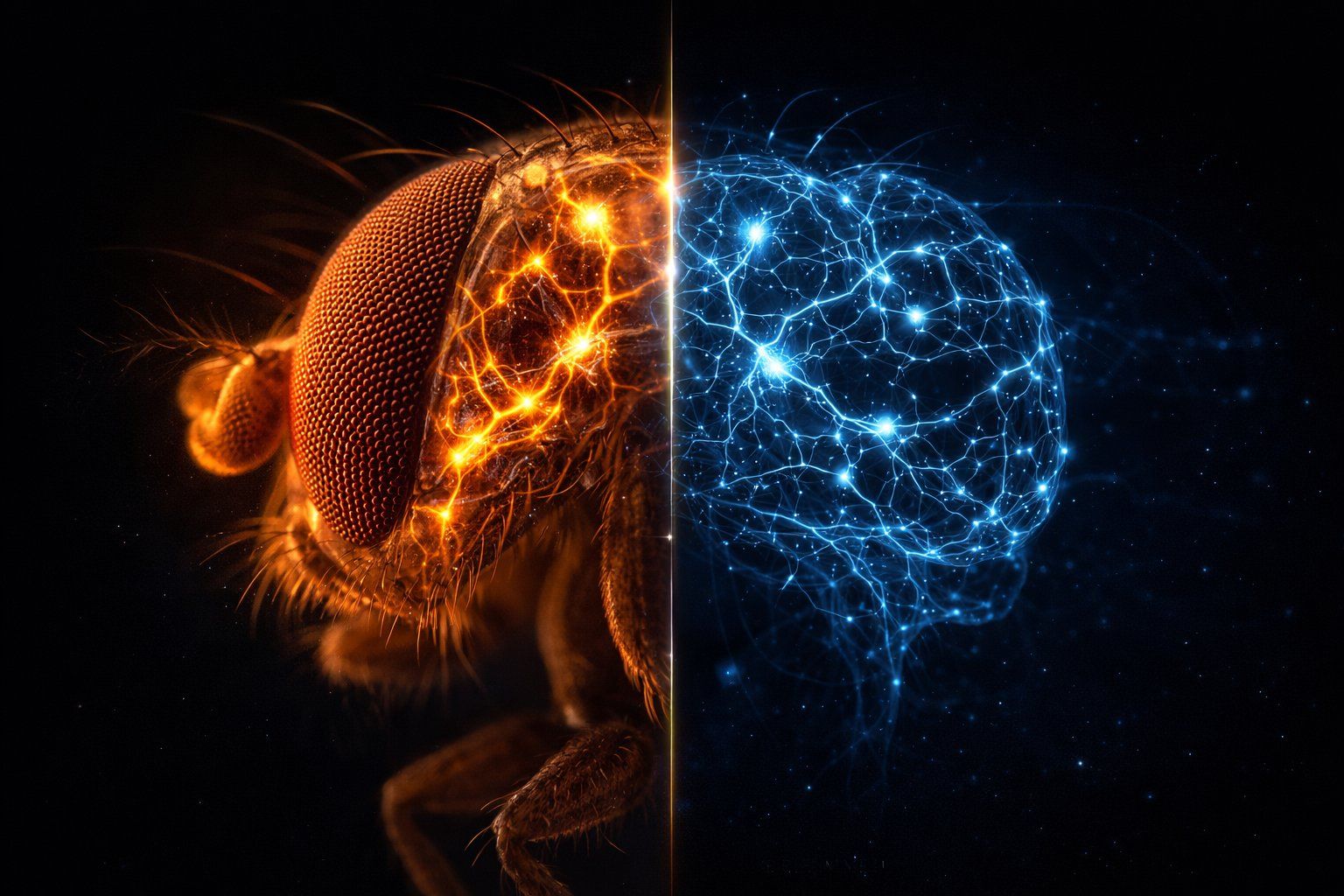
Whole Brain Emulation Achieved: Scientists Run a Fruit Fly Brain in Simulation

by Shibasis Rath
March 9, 2026
0

Scientists have copied an entire biological brain neuron by neuron and synapse by synapse and made it control a simulated...

EDITOR CHOICE‘S

  • All
  • NEWS
  • SPOTLIGHTS
Step-Synchronized Brain Stimulation Reduces Falls in Small Parkinson’s Trial

Step-Synchronized Brain Stimulation Reduces Falls in Small Parkinson’s Trial

by Staff Writer
June 16, 2026
0

Researchers have reported encouraging results from a small feasibility study testing a new form of adaptive deep brain stimulation (aDBS)...

A Father’s Touch in Infancy Can Shape a Child’s Health for Years, New Science Explains Why

A Father’s Touch in Infancy Can Shape a Child’s Health for Years, New Science Explains Why

by Staff Writer
June 9, 2026
0

A study from Penn State University has revealed something startling beneath that simplicity those early interactions carry biological consequences that...

MutExpress

South Asian Patients Have Been Left Out of Cancer Genomics for Decades & MutExpress-India Is Changing That

by Staff Writer
June 8, 2026
0

The databases that underpin modern cancer genomics have a geography problem. The gnomAD database the gold standard for allele frequency...

Biodiversity Loss

Biodiversity Loss Could Bankrupt Nations And Wall Street Hasn’t Noticed Yet

by Staff Writer
June 5, 2026
0

Every year, governments borrow trillions of dollars to function. The interest rate they pay depends almost entirely on their credit...

ADVERTISEMENT

RathBiotaClan – RBC

RathBiotaClan – Connecting Research To Reality

Your trusted source for life science news, biology research & discoveries. Covering neuroscience, genetics, ecology, and more — connecting research to reality.

About Us

Privacy Policies

Contact Us

Editorial Standard

Latest Posts

  • Step-Synchronized Brain Stimulation Reduces Falls in Small Parkinson’s Trial
  • A Father’s Touch in Infancy Can Shape a Child’s Health for Years, New Science Explains Why
  • South Asian Patients Have Been Left Out of Cancer Genomics for Decades & MutExpress-India Is Changing That
  • Biodiversity Loss Could Bankrupt Nations And Wall Street Hasn’t Noticed Yet

SHIBASIS RATH

Contact Mail

rathbiotaclan@gmail.com

No Result
View All Result
MSME (Udyam) Certified Science Platform
Govt. of India

Get Us On PlayStore

playstore app for rathbiotaclan
  • About Us
  • Advertise With Us
  • Cancellation and Refund Policy
  • Contact Us
  • Contribute
  • Editorial Standards
  • Home
  • Pricing Details
  • Privacy Policies
  • Shipping Policy
  • Terms & Conditions

© 2026 RathBiotaClan. All rights reserved.

Welcome Back!

Sign In with Google
OR

Login to your account below

Forgotten Password? Sign Up

Create New Account!

Sign Up with Google
OR

Fill the forms below to register

*By registering into our website, you agree to the Terms & Conditions and Privacy Policy.
All fields are required. Log In

Retrieve your password

Please enter your username or email address to reset your password.

Log In

Add New Playlist

No Result
View All Result
  • HOME
  • HEALTH SCIENCE
  • NEUROSCIENCE
    • PHYSIOLOGY
    • IMMUNOLOGY
    • CANCER
  • DISCOVERIES
    • SPOTLIGHTS
    • STUDENT PORTAL
    • SCIENCE FEATURED
  • MOLECULAR BIOLOGY
    • GENETICS
    • BIOTECHNOLOGY
    • BIOINFORMATICS
    • BIOCHEMISTRY
    • BIOPHYSICS
  • ZOOLOGY & ECOLOGY
    • ENVIRONMENTAL SCIENCE
    • ECOLOGY
    • EVOLUTION
  • MICRO & PLANT SCIENCE
    • MICROBIOLOGY
    • CELL BIOLOGY
    • DEVELOPMENTAL BIOLOGY
  • PSYCHOLOGY
  • Login
  • Sign Up
SAVED POSTS

© 2026 RathBiotaClan. All rights reserved.

This website uses cookies. By continuing to use this website you are giving consent to cookies being used. Visit our Privacy and Cookie Policy.