




Death happens to everyone, but how animals react to it is super interesting. It tells us stuff about how smart they are, how they live together, and how they have changed over time.
There’s this new field that looks at how animals act when they’re around dead bodies, and it turns out, they do all sorts of things!
Experts like Barbara J. King and Andre Goncalves say that animals don’t all react the same way to death. It depends on what kind of animal they are, who died, and what’s going on around them. This makes us rethink if feeling sad about death is only a human thing.
Sad Feelings and Acting Like They’re Grieving
Lots of animals that live in groups, especially ones with complicated social lives, act like they’re sad when someone dies:
Elephants remember things really well and have families that stick together for generations. They seem to have rituals when an elephant in their group dies. They’ll gather around the body, touch it gently with their trunks, and sometimes cover it with dirt and branches. They might even come back to the bones years later and pay special attention to the skull and tusks. This shows they know the elephant is dead and might even be honoring its memory.
Primates show some of the most obvious reactions to death. Jane Goodall saw that chimps often sit quietly next to dead members of their group. Sometimes, young chimps will carry around and groom the bodies of dead babies, even if they’re not related. This suggests that the whole group understands that something has been lost.
Dolphins and orcas have been seen helping dead members of their group stay afloat, like they’re trying to help them breathe. Orca moms have even been seen carrying their dead babies for weeks, swimming hundreds of miles with them. Experts think this shows how deeply sad the mothers are.
Just Getting By: Survival Stuff
Some animals deal with death in a more practical way:
Social insects like ants, termites, and bees see death as a cleaning problem. Ants can quickly tell when another ant is dead because of certain chemicals. They’ll take the dead ant to a cemetery outside the nest. They do this not because they’re sad, but to stop diseases from spreading in their crowded nests.
Scavengers like vultures are good at finding dead animals and eating them. For them, death is just a way to get food, not something to feel emotional about.
Territorial animals might still act aggressively toward the bodies of rivals, as if the other animal were still alive and threatening. This could mean they don’t realize the animal is dead, or that their need to defend their territory is stronger than their understanding of death.
What Science Tells Us About Grief in Animals
Carrying Dead Babies: A Look at Attachment
Lots of different animals do something interesting when their baby dies: they carry the body around for a while. When scientists see this, it helps them get a better understanding of how grief might work in animals.
Alecia Carter did some cool work with baboons in Namibia. She saw that moms would carry their dead babies for up to 10 days. At first, they acted like the babies were still alive—cleaning them, keeping them safe, and holding them close. Even as the bodies started to decay, the moms still didn’t want to let go.
It’s not just baboons that do this. A study in 2018 looked at 75 cases across 50 kinds of mammals. This shows that this behavior probably comes from something deep in their evolution. How long they carry the dead baby and how strongly they react seems to depend on how close the mom and baby were, how big the animal’s brain is, and how complicated their social life is.
When scientists look at the brains of these animals, they see that the same areas that light up when humans feel grief also light up in these animals. In particular, there’s a spot called the anterior cingulate cortex that seems to be involved in dealing with emotional pain. Also, a hormone called oxytocin, which helps moms bond with their babies, seems to keep the attachment going even after the baby dies.
Learning from Death: What Crows Can Teach Us
Crows and ravens do some pretty amazing things when it comes to death. It looks like they actually learn from it. When they find a dead crow, other crows will come together around the body. Researchers call these gatherings funeral assemblies. But it’s not just about feeling sad; the crows are gathering info.
Kaeli Swift, who studies crows, has shown that these gatherings help crows figure out what might be dangerous. If they see a dead crow, they get more careful in that area. They might even gang up on people they saw near the dead crow. This suggests that crows use death as a chance to learn, connecting certain places, people, and dangers in their minds.
Instead of just reacting emotionally or on instinct, this behavior shows that crows really think about death. It just goes to show how smart these birds are.
Reactions That Are Both Weird and Hard to Explain
It’s tough to just say animal reactions to death are simply emotional or practical. Lots of animals do things that make you think they’re dealing with a mix of affection, confusion, staying alive, and using what’s available.
Chimpanzees are a prime example. They might be gentle with the dying and seem sad when others in their group die. Yet, there are times when they’ve eaten dead chimps, even babies, especially if things are rough. It just goes to show that when survival is on the line, feelings can take a backseat.
Canines, like wolves and dogs, will sometimes bury food and dead friends from their pack. It seems like they do it for different reasons but in a similar way. When a wolf covers up a dead pack member, is it some kind of early burial thing, or is it more like hiding food?
Where feelings stop and gut instincts start gets fuzzy.
What makes it even more confusing is looking at animals in captivity versus those in the wild. Animals that don’t have to worry as much about finding food, and who are really close to their human caregivers, might show bigger signs of sadness than their wild relatives.
Death Reactions That Spread Through Culture
Some new studies hint that how some social animals react to death might be a learned thing, not just something they’re born with. Groups of the same animal type sometimes have different ways of dealing with death.
- Some groups of chimps groom dead members in a special pattern while others don’t.
- Some elephant groups will cover dead bodies with branches and dirt. Other elephant groups mostly just touch and check out the bodies.
- Groups of sea mammals spend different amounts of time near a dead body, depending on what their group usually does.
These sorts of group differences suggest that how animals react to death isn’t just a set of instincts. They can learn it, change it, and pass it on, just like humans have developed death rituals in different cultures.
Don’t Assume Animals Are Human, but Know We’re Connected
When studying animal grief, it’s important to not assume they feel things exactly as we do, but to also remember that we share a common biology that leads to true emotional responses. Instead of wondering if animals grieve like people? researchers now try to understand that each animal has its expression of attachment, loss, and getting used to things.
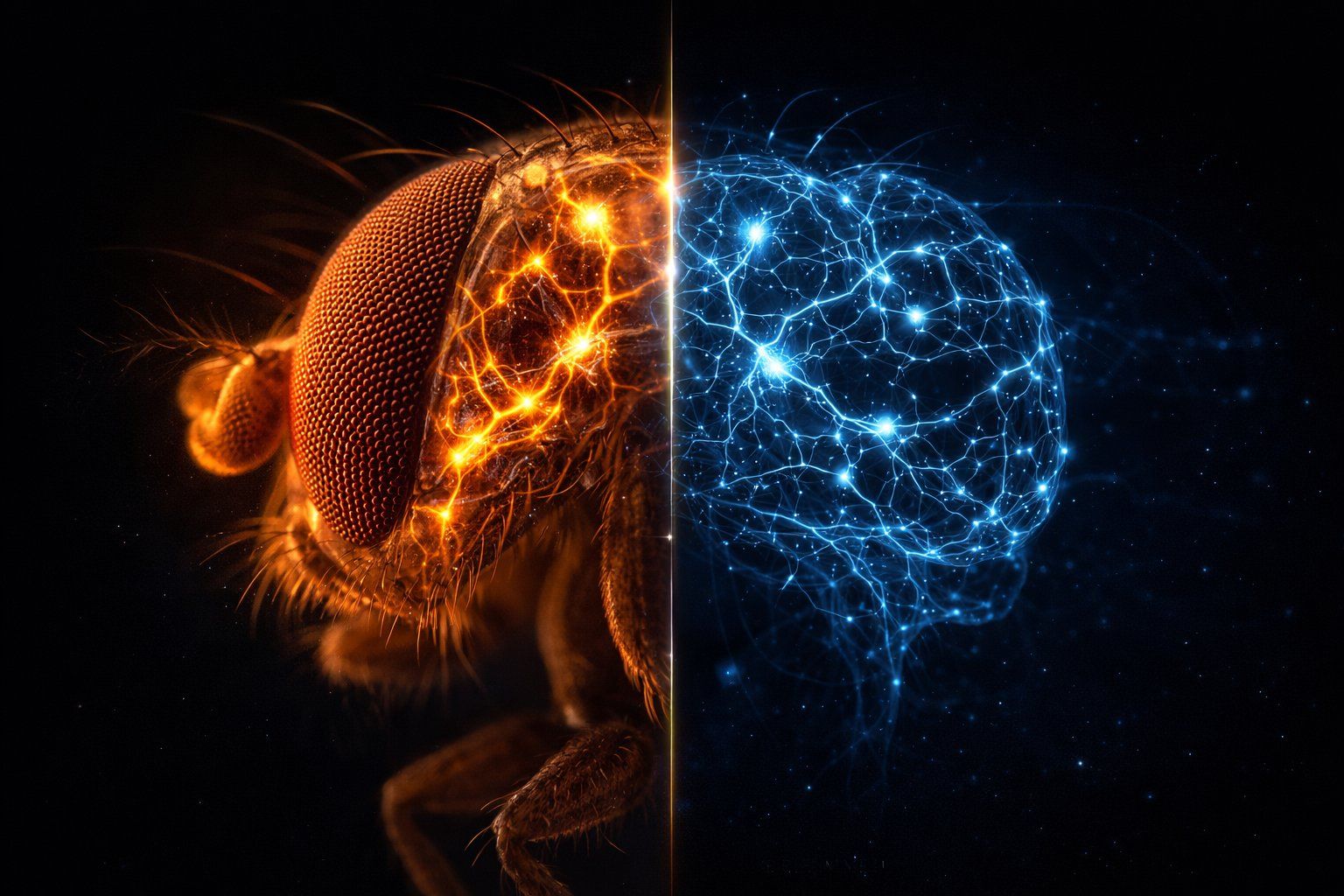
The science behind grief gives a reason to believe that emotions are shared among species. The parts of the brain people use when grieving such as the anterior cingulate cortex, amygdala, and hippocampus, are also in other mammals. The hormones involved in attachment and separation are alike across different animals.
What this means is that although animal grief may not be exactly the same as human grief because humans think about it differently and have different cultural ways to show it, the basic feeling might be very similar. This idea is backed up by the fact that the brain and brain chemicals are alike across mammals.
What It Means for Animal Well-Being and Our Morals
Learning how animals deal with death can really change how we treat them:
- Let them grieve: Places like zoos or farms could let animals spend some time with their dead buddies before taking them away. This might make them less stressed and act out less.
- Their feelings matter: Knowing that animals get sad when they lose someone means we should be kinder in how we handle them.
- Better end-of-life care: When we know how different animals go through dying, we can make saying goodbye easier for them with gentler last treatments.
This stuff can help save animals too. Keeping their social groups together and letting them react to death in their own way might be important for their mental health, mainly if they’re endangered.
What’s Next for Death Research in Animals
As tech gets better, we can learn even more about how animals deal with death:
- Checking hormones: Getting samples without bothering them lets us see how stressed they are and how attached they were.
- Brain scans: We can adjust technology to watch their brains when they’re grieving.
- Watching them over time: Cameras can catch rare things they do when death happens in the wild.
All this should give us a better idea of how different animals feel about dying. It could even show us how grief started in the animal world.
We’re All Connected Through Death
Looking at how animals grieve isn’t just science; it reminds us that we’re not that different from them. Seeing how they face death, something everyone goes through, shows us what’s unique about us and what we share.
Humans might have all these rituals and words for grief, but the basic feelings seem to be the same for many animals, mostly those that are close to others. It doesn’t lessen our grief, but it puts it into perspective.
As we learn more about death in animals, we need to rethink how different we are from them. Maybe our strongest relationship with other beings is that we can love and feel sad when we lose someone.
For Further Exploration:
- King, B. J. (2013). How Animals Grieve. University of Chicago Press.
- Swift, K., & Marzluff, J. M. (2018). Corvid response to conspecific death. Animal Behaviour, 155, 29-37
- Carter, A. J., et al. (2020). Baboon thanatology: responses of filial and non-filial group members to infants’ corpses. Royal Society Open Science, 7(3), 192206.
- Gonçalves, A., & Biro, D. (2018). Comparative thanatology, an integrative approach: exploring sensory, emotional and social dimensions of death-related responses. Philosophical Transactions of the Royal Society B, 373(1754), 20170263.